

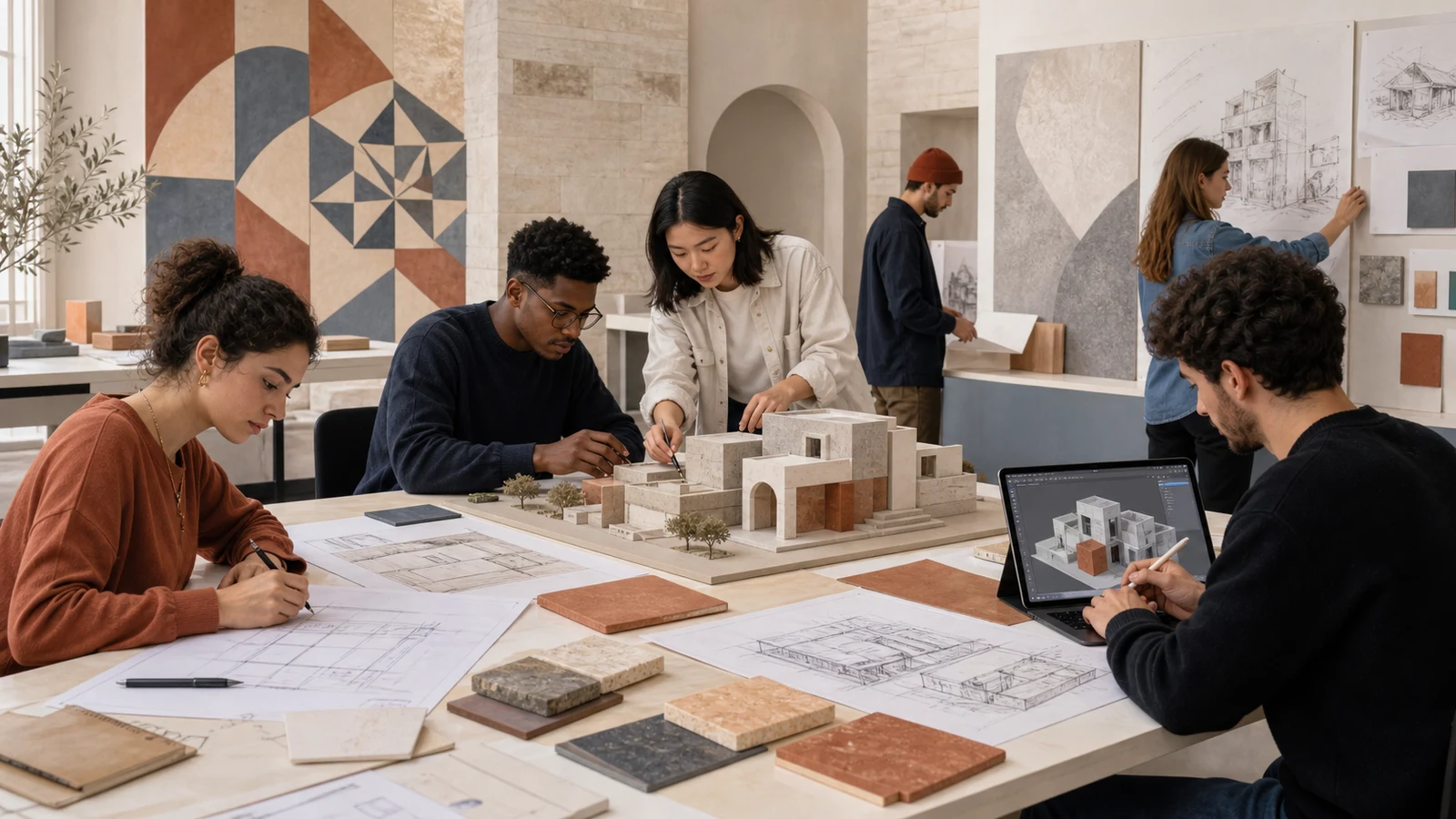
Architecture brings together design, history, technology, communication and the realities of constructing places for people. Georgia can be an interesting location in which to study it, but the decision should begin with the programme rather than the city skyline. The current Univs catalogue lists English-taught Architecture bachelor’s routes at Caucasus University and Georgian Technical University.
Why consider Architecture in Georgia?
Students can compare Architecture at Caucasus University with Architecture at Georgian Technical University. Both are currently listed as four-year bachelor’s programmes, giving applicants a focused comparison rather than dozens of superficially similar titles.
Georgia’s built environment can also provide a rich setting for observation—from historic urban fabric to modern development—but a location is not a substitute for studio quality. Ask how the programme turns its context into supervised design, research and technical learning.
What should an Architecture curriculum include?
Design studio should sit alongside architectural history and theory, construction, structures, materials, environmental design, representation and digital tools. Students should learn to explain why a design works, not only produce attractive images.
Ask how often studio takes place, how feedback is delivered, whether reviews involve external practitioners, and how technical subjects connect to design projects. A strong portfolio normally shows a process: research, sketches, testing, revisions and resolved proposals.
Studio culture and workload
Architecture often requires long periods of drawing, model-making, reading, presentation and revision. Ask current programme staff about weekly contact hours, access to studios outside class, crit schedules and assessment deadlines. Time management matters as much as creative confidence.
Clarify the teaching language used during group critiques and technical instruction. An English-taught programme should explain how international students are supported without suggesting that every local site visit or professional interaction will happen in English.
Equipment and complete study cost
Beyond tuition and application fees, architecture students may need a capable laptop, specialist software, printing, drawing supplies, model materials and occasional site travel. Ask which software licences, workshops and fabrication tools are included.
Use the live programme pages for current prices and intakes. Add accommodation, food, transport, health cover, immigration-related costs where applicable and a realistic studio-material budget before comparing the total with another destination.
Portfolio and entry requirements
Do not assume every Architecture programme asks for the same portfolio or creative examination. Check whether applicants must submit drawings, design work, a motivation statement, an interview or evidence of mathematics. Requirements can change by intake.
If you already have a portfolio, select work that demonstrates observation, process and judgement. Avoid presenting copied images or work that you cannot explain.
Professional recognition matters
An academic Architecture degree and the legal right to practise as an architect are separate. Professional routes differ by country and may require a specifically accredited degree, additional study, supervised experience and examinations.
Before enrolling, check the current rules of the registration body where you hope to work. Ask the university for the exact award, credits, validation or accreditation evidence, and how previous international graduates have continued their professional education. Never rely only on the word “recognised”.
Careers beyond licensed practice
Architecture graduates may work in architectural design, visualisation, interior or spatial design, urban analysis, construction coordination, heritage, research or related creative fields. The route depends on your portfolio, technical skills, language and the professional rules of the destination.
How to compare the two programmes fairly
Open both programme profiles and make one table with the same headings: duration, credits, tuition, application fee, studio hours, facilities, software, portfolio requirement and award title. Record the date because fees and intakes can change. Then ask each university the same unanswered questions in writing. A consistent comparison helps prevent a beautiful portfolio gallery or one attractive fee from dominating the decision.
Where possible, request examples of recent student work from more than one year and ask how much of it was individual. Look for progress from early investigation to technical resolution. If a claim concerns validation or professional recognition, verify the exact programme and current period with the relevant body rather than relying on a general university statement.
Questions for your shortlist
- How much of each semester is design studio?
- What workshop, model-making and digital facilities are available?
- Which software licences and materials are included?
- What portfolio or creative assessment is required?
- How are studio critiques conducted in English?
- What is the complete cost of supplies and printing?
- How does the degree fit your intended professional-registration route?
Is Architecture in Georgia a good option?
It can be when one of the current four-year programmes offers the studio culture, technical depth and professional pathway you need. The focused choice makes comparison manageable, while Georgia’s varied built environment can support observation and design thinking. Judge the programme through curriculum, facilities, student work and recognition evidence.
Review Architecture and design options on Univs and explore the wider Georgia study catalogue.
Keep a dated copy of the programme information and written answers you relied on, particularly for costs, portfolio rules, facilities and professional recognition.
Editorial note
Requirements can change and may differ by institution, programme and applicant. Recheck current university and government guidance before paying or travelling.
For comparisons, we assess the stated student brief, current route availability, discovery breadth, application ownership, progress visibility, support, costs and duplicate-application risk. Univs publishes this page and may have commercial relationships with institutions; those relationships do not determine admission decisions. Read our editorial standards.