Skip to content
Select Page
kz flag

Study in Kazakhstan

Kazakhstan

Explore recognised universities, compare programmes, tuition and scholarships, and review admissions, C9 study-visa guidance, living costs and student life across Kazakhstan.

106Institutions
106
Listed Institutions
Up to 5 working days after a complete submission
Visa Processing Time

kz flag
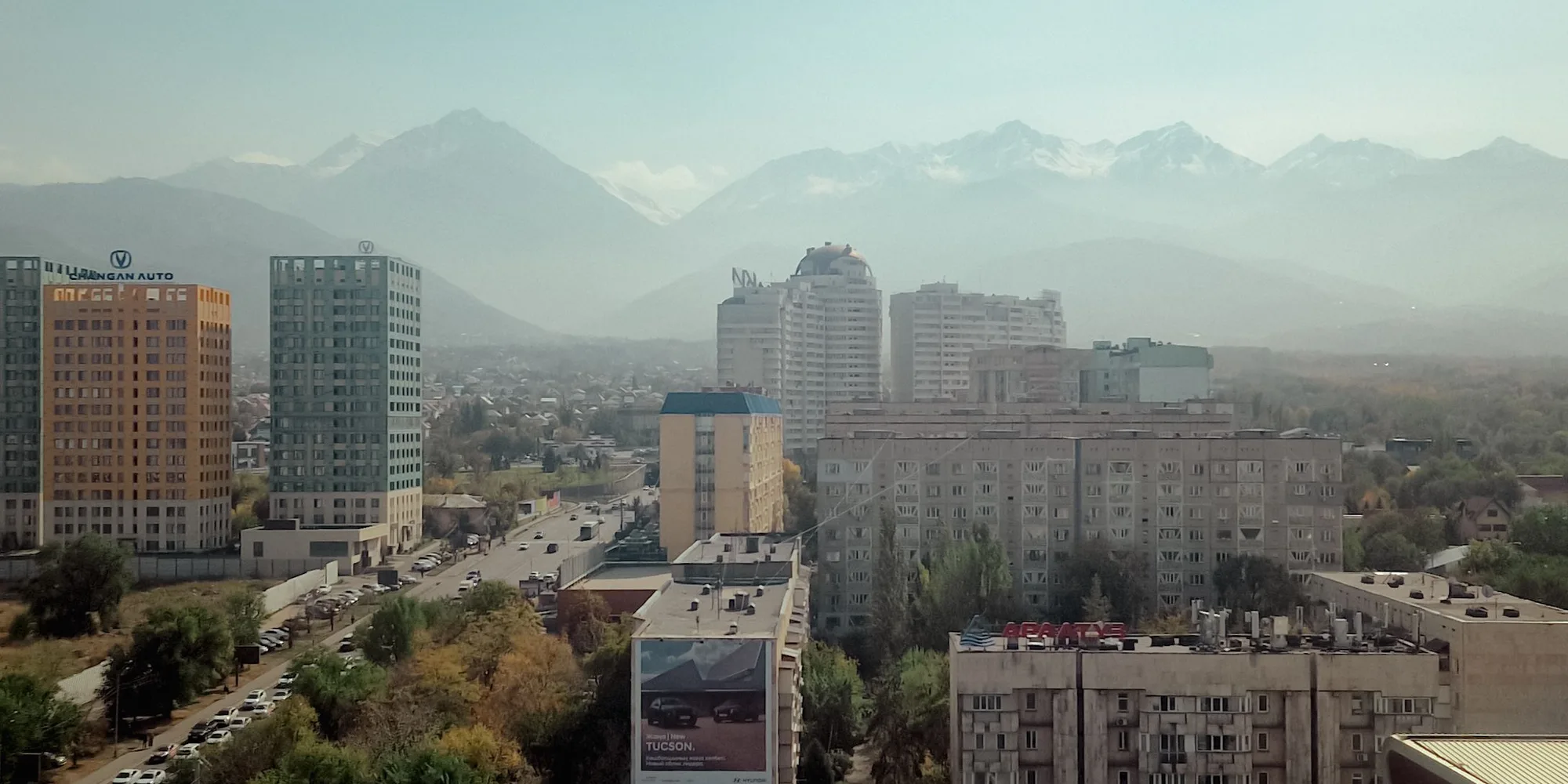
About Studying in Kazakhstan

Kazakhstan is Central Asia's largest country and has a substantial higher-education system spanning national research universities, general universities, academies, institutes, specialised providers and foreign university branches. The country joined the Bologna Process in 2010, and its system uses bachelor, master and doctoral pathways. International students can find programmes taught in Kazakh, Russian and English across medicine, engineering, information technology, business, agriculture, humanities and other fields. Recognition, accreditation, teaching language, clinical or professional requirements, tuition and immigration steps must be checked for the exact institution and programme.
Recognition and accreditation — Confirm that the institution appears in the current official higher-education directory. Then verify the exact institutional and programme accreditation records through ENIC Kazakhstan's current accreditation hub. Accreditation is not the same as a commercial ranking. Recognition and legalisation — Foreign education documents may need recognition, apostille or legalisation depending on country and route. Recognition evidence — Follow ENIC Kazakhstan and university instructions for the foreign degree. Check qualification recognition — Start recognition, apostille, legalisation and translation work early where required.
Capital Astana
Language Kazakh is the state language. Russian is officially used in state bodies and local self-government and is widely used in daily and academic life. Universities may teach in Kazakh, Russian or…
Currency KZT
Academic Year Most universities use a fall semester beginning in August or September and a spring semester beginning in January. Teaching commonly runs through May or June, with examinations and optional…
Intakes Main intake: August–September. Selected universities and programmes may also admit students for January entry or summer study.


Why Study in Kazakhstan?

Established higher-education system

Study in a sector of 116 operating higher-education institutions spanning public, private, specialised and foreign-owned providers.

Bologna-aligned degree pathways

Kazakhstan joined the Bologna Process in 2010 and uses bachelor, master and doctoral pathways with ECTS-based structures.

Kazakh, Russian and English options

Choose from programmes delivered in different languages, while checking the language used in assessment, laboratories and placements.

Strong regional subject areas

Medicine, engineering, energy, mining, agriculture, information technology, business and the humanities are widely represented across the sector.

Growing international environment

Official ministry data reported 35,075 international students from 88 countries and more than 30 foreign-university branches in 2025/26.

Multiple study-city choices

Compare Astana, Almaty, Shymkent, Karaganda, Turkistan and other regional centres by programme fit, housing and climate.

🏆
Kazakhstan by the Numbers

116
Operating higher-education institutions
678,100
Total higher-education students
35,075
International students
88
International student countries

💰
Cost of Living & Visa

Monthly Living Costs

KZT 180,000–365,000 per month

Dormitory or shared accommodation
KZT 40,000–120,000 / month
Food and groceries
KZT 80,000–140,000 / month
Local transport
KZT 8,000–20,000 / month
Utilities and internet
KZT 15,000–30,000 / month
Phone, study materials and personal expenses
KZT 25,000–30,000 / month
Insurance and medical allowance
KZT 12,000–25,000 / month
Estimated monthly total
KZT 180,000–365,000 / month
USD illustration at 3 August 2026 rate
USD 380–771 / month
Dormitory / shared accommodation
KZT 40,000–120,000 / month
Phone, study and personal
KZT 25,000–30,000 / month
KZT per USD
KZT 473.59 / month
Student Visa Guide
Visa guidance

Visa-required students normally use the C9 education visa. It covers applicants travelling for admission and enrolled students, including recognised exchange and preparatory routes. Visa-free eligibility depends on citizenship; a visa-free short stay does not replace the university's long-term study and residence process.

Required document

Passport: Valid passport with required post-visa validity and at least two blank pages.

Required document

Visa application and photograph: Completed form and recent 3.5 × 4.5 cm photograph.

Required document

Registered invitation or visa support: Reference obtained through the Kazakhstan inviting institution.

Required document

Admission letter: Formal evidence from the university.

Required document

Passport copy: Copy in the format requested by the mission.

Required document

Fee receipt: Use the mission's current amount, payment currency and method.

Required document

Minor consent: Applicants under 18 may need notarised parent or guardian consent translated into Kazakh or Russian.

Required document

Additional mission evidence: A mission may request accommodation, funds, insurance, education or other supporting evidence.

Processing time

Up to 5 working days after a complete submission

Visa fee

Official C9 guidance lists USD 80 for a single-entry visa and USD 200 for a multiple-entry visa. Mission practice, exemptions, service charges and payment currency can differ; confirm immedi…

🧭
Student Life & Practical Guidance

Health Insurance

Arrange health and travel medical coverage valid for Kazakhstan and confirm university, visa and temporary-residence requirements. The national scholarship does not cover medical insurance, and campus clinics or limited student services are not a substitute for full coverage.

After Graduation

Graduation does not create an automatic post-study work period. A graduate who wants to remain must qualify for and obtain the appropriate residence and employment basis before the study status expires. EAEU citizenship and other exemptions can change the route.

Student Safety

Use normal city precautions, verify accommodation and transport, protect documents and payment details, and follow current official travel and weather advice. Save 112, university security, dormitory, insurer and consular contacts. Kazakhstan's climate varies sharply by region and winter preparation is important in Astana and northern cities.

Astana

Capital and major university centre with national universities, international branches and very cold winters; plan winter clothing and compare on-campus housing.

Almaty

Largest metropolitan academic market with a broad range of public, private, technical, medical and business institutions; private housing can be a major budget item.

Shymkent

Large southern city with general, medical and specialised higher-education options and a warmer climate than northern Kazakhstan.

Karaganda

Established central Kazakhstan university centre with medical, technical, economic and general-study options.

Turkistan

Historic southern city with a growing academic profile centred on regional and international university activity.

Atyrau and Aktau

Western Kazakhstan options linked to energy, engineering, maritime and regional workforce needs; compare programme specialisation and travel logistics.

🏆
Scholarships & Financial Aid

Admission Requirements

All applicants

Prepare the qualification for the selected level, transcript, passport, photographs, language evidence and health documents. Recognition, apostille or legalisation, certified translation, interview, test or portfolio may also be required.

Frequently Asked Questions

Kazakhstan offers a large higher-education sector, Bologna-aligned degree pathways, programmes in Kazakh, Russian and English, major science and technical institutions and comparatively accessible costs at many universities. The best fit depends on the exact programme, accreditation, language, city and budget.

Official statistics recorded 116 operating higher-education institutions at the beginning of 2025/26. The number shown on Univs.com should be the live public catalogue count, which is a different measure.

The Ministry of Science and Higher Education reported 35,075 international students from 88 countries in 2025/26.

Yes, selected universities offer English-taught programmes. Availability and entry requirements vary, and clinical or workplace placements may still require Kazakh or Russian. Confirm the full teaching and assessment language with the programme.

Bachelor programmes commonly take about four years and 180–240 ECTS. Master's programmes often take one to two years and 60–120 ECTS. PhD study commonly takes about three years and 180 ECTS. Medicine and other regulated programmes differ.

The main intake is usually August or September. Some universities offer selected January starts, while summer terms are not a universal first-year intake. Use the programme's current admissions calendar.

There is no single national fee. A broad editorial planning range is about KZT 1.4 million–7.7 million per academic year across selected current bachelor-level examples, but medicine, aviation, premium English-medium and specialised programmes may cost more or less. The university's written fee schedule controls.

A cautious planning range is KZT 180,000–365,000 per month for accommodation, food, transport, utilities, insurance and personal expenses. Dormitory living may be lower and private housing in Astana or Almaty may be higher.

Many universities provide dormitories, but space, eligibility, room type and prices vary. Current official examples range from roughly KZT 40,000 to 108,050 per month. Apply early and keep a verified alternative because a place is not universally guaranteed.

Common items include a passport, eligible secondary-school certificate, transcript, photographs, language evidence and health documents. Recognition, apostille or legalisation, notarised translation, interview or subject tests may also be required.

Usually a relevant bachelor or specialist diploma, transcript, passport, language evidence and any required recognition or translation. Some programmes request a motivation letter, recommendations, interview, test or portfolio.

Often yes, especially when continuing study. ENIC Kazakhstan explains the recognition route and exceptions. Documents may also need apostille or legalisation and a notarised translation depending on the country and case.

First confirm the institution in the official higher-education directory. Then check current institutional and programme accreditation records through ENIC Kazakhstan's accreditation hub. Do not treat a commercial ranking as proof of accreditation.

Visa-required students normally use the C9 education visa. The correct route depends on citizenship, residence and programme. Check the current eGov visa-regime table and the responsible Kazakhstan mission.

Official guidance says visa issuance should not exceed five working days after a complete submission. Invitation approval can add three to five working days, and appointments, translations and document corrections add separate time.

Official C9 guidance lists USD 80 for a single-entry visa and USD 200 for a multiple-entry visa. Confirm the current amount, currency, exemptions and payment method with the responsible mission before paying.

Expect a completed application, photograph, passport, passport copy, registered invitation or visa support, admission letter and fee receipt, plus any mission-specific supporting evidence. Applicants under 18 may need notarised parental consent with translation.

Contact the university international office immediately. The institution may need to complete migration notification, address registration and a study-purpose temporary residence permit depending on citizenship, entry route and stay length.

A C9 visa is not an unrestricted work right. Current labour guidance includes a permit exemption for full-time students working at educational institutions in their free time, while EAEU citizens have separate treaty-based rights. Confirm any job before starting.

There is no automatic general post-study work period. Graduates must obtain an appropriate residence and employment basis before their study status expires. Citizenship and permit exemptions can change the route.

Students should arrange medical and travel coverage valid in Kazakhstan and confirm university, visa and residence requirements. The national foreign-student scholarship does not cover medical insurance.

Yes. The Republic of Kazakhstan scholarship programme offered 550 awards for 2026/27 across bachelor, master and PhD levels. Universities may also offer merit awards or discounts. Eligibility and deadlines change each intake.

It covers full tuition and a monthly allowance, subject to academic progress. It does not cover travel, accommodation, visa or medical-insurance expenses.

Astana and Almaty are the largest academic centres, while Shymkent, Karaganda, Turkistan, Atyrau, Aktau and other cities offer strong regional and specialised options. Choose by programme quality, language, housing, climate and travel needs rather than a generic city ranking.

Call 112 for urgent emergencies in Kazakhstan. Also save university security, dormitory, insurer and consular contacts.

Choose and verify the programme, check recognition and language requirements, prepare documents, apply through the official channel, complete testing or interview, accept the offer and fee terms, arrange C9 visa support if required, then secure housing, insurance and arrival documents.

🏛️
Universities in Kazakhstan

See all 106 →

A university discovery and application platform connecting international students with verified participating institutions.

© 2026 Univs LLC, trading as Univs.com · All rights reserved

Essential storage keeps security, account routing, and your saved preference working. Optional measurement is disabled unless you choose to allow it.