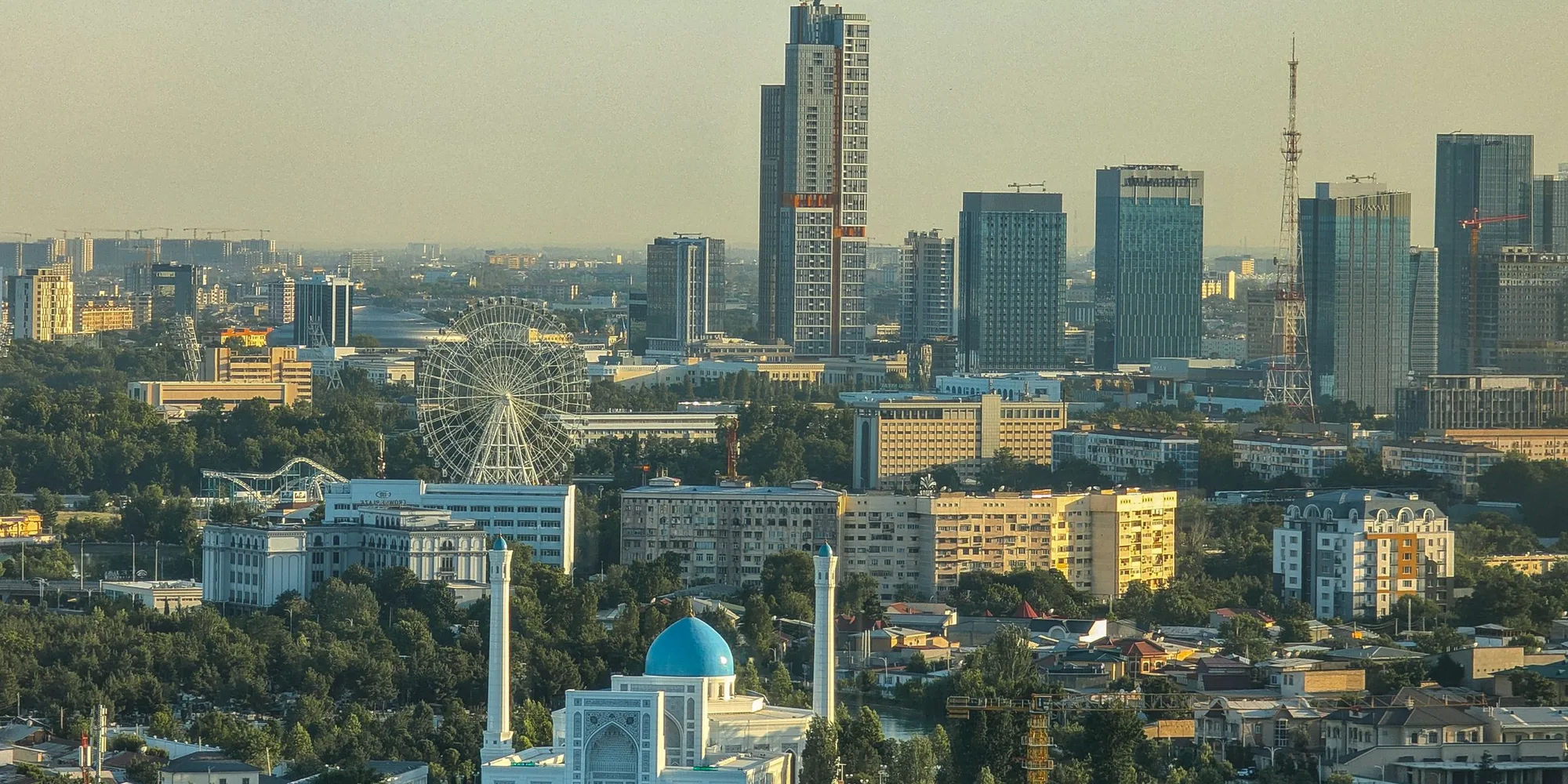
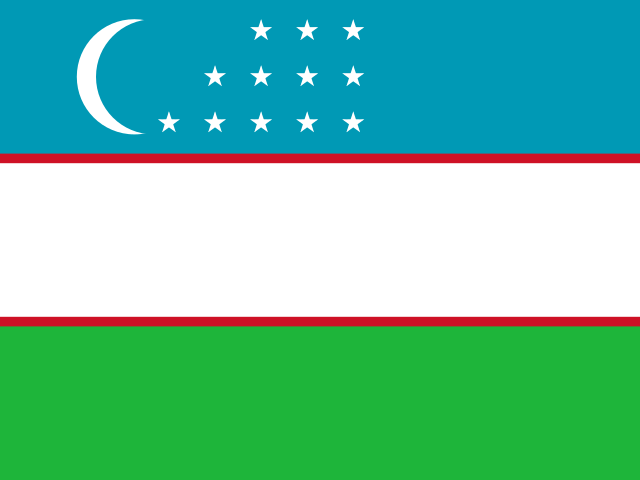
Uzbekistan is a Central Asian study destination with state, non-state and foreign or branch higher-education institutions. The Ministry of Higher Education reported 207 operating higher-education institutions and about 20,000 international students in 2025. Tashkent has the largest concentration of institutions, while Samarkand, Bukhara, Andijan, Fergana, Namangan, Nukus and other regional cities also offer study options.
Applicants should compare the exact institution, campus, program, teaching language, tuition, intake, accommodation and accreditation status before paying. Inclusion in a directory or HEMIS is useful for discovery but should not be treated as proof that every institution or program has current accreditation. Verify the institution and program with Uzbekistan's National Quality Assurance Agency for Education and check recognition requirements in the country where the qualification will be used.
Institutional state accreditation — NQAAE conducts comprehensive state accreditation of higher-education institutions. Confirm the current certificate or register entry for the exact institution.
Program-level accreditation — NQAAE describes specialized state accreditation for educational programs. Verify the exact program, level, campus and validity period.
International accreditation — Treat international accreditation as verified only when the exact program and accreditor can be confirmed in an official register or certificate recognized by the responsible authority.
Capital
Tashkent
Language
Uzbek is the state language. Government information also identifies Russian and English as languages of international communication.
Currency
UZS
Academic Year
Typically September to June; exact dates and breaks vary by institution and program.
Intakes
Main autumn intake; selected universities and programs may offer winter, spring or rolling international admissions.
Intl. Students
About 20,000 in 2025
Work Rights
Student status does not itself establish unrestricted work rights. Uzbekistan's Migration Agency issues, extends and terminates permits for foreign citizens to work temporarily. Before accepting employment, the student should obtain written guidance from the university and the responsible migration or labor authority and confirm that the role, hours and immigration status are lawful.